Learning and Development of Problem Solving Techniques
What is innovation?
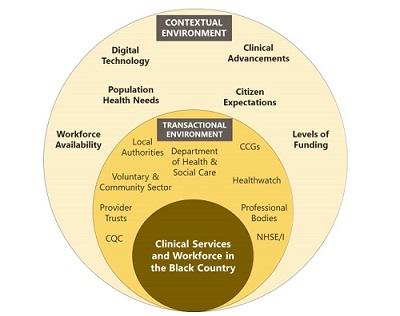
Clinical Workforce Scenarios for the Black Country
The future is highly uncertain.
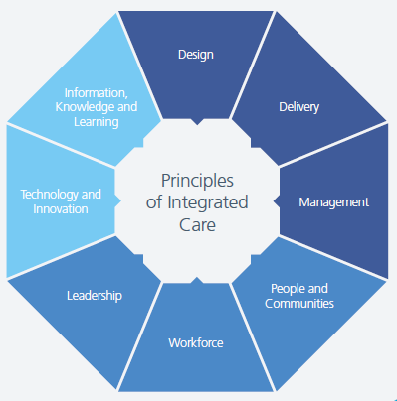
New care models - what's the evidence
High level findings from a series of evidence reviews on new care models.

Let’s face the music and (not) dance
David Frith leads our strategy consultancy work with NHS and third sector organisations.

Why community alternatives to hospital admission don’t (typically) reduce total admission levels
Repeatedly, published evaluations show that community/primary care services interventions with a stated intention to reduce total (or forecast total) emergency admissions to hospital don’t achieve the expected result**

Tools & templates: Problem structuring
Problem trees and driver diagrams can help you to understand the causes and effects of your problem.
Pre-mortem
The pre-mortem technique was developed by Klein (2007) using ‘prospective hindsight’ to identify risks at the outset of a project.
Lessons from the Vanguard: Innovation and Evaluation
The problems facing health and care services are so well known as to be documented in the media most days.

Tools & templates: Other points of view
Use Edward deBono’s ‘Six Thinking Hats’ or consider a wider point of view, to approach a problem or potential solution from different perspectives.
Lessons from the Vanguard: Procurement
Evaluation of the Dudley New Care Models Programme
This is the final system-wide report from the evaluation.

Tools & templates: Breaking the rules
Generate new ideas to solve a problem – by identifying the underlying assumptions, unwritten rules and thinking that maintain the status quo.

Part of the solution or part of the problem? Management Consultants and the NHS
I was quoted in a recent Guardian newspaper article which described a London Clinical Commissioning Group’s wasteful use of external
Integrating health and care services - what works? It’s complicated…
Coinciding nicely with the NHS 70th Birthday celebrations and the parallel discussions of ‘where next and how to do it better’ for the NHS, last we

Tools & Templates: Five Whys
Keep asking ‘why’ to peel back the layers of your problem, until you identify a potential root cause.
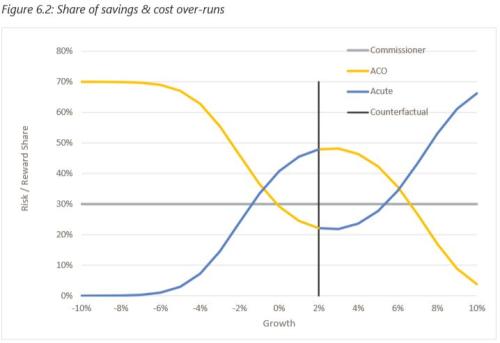
Risk and Reward Sharing for NHS Integrated Care Systems
Risk and reward sharing is a simple and attractive concept, offering a commissioner the opportunity to co-opt and incentivise a provid

Do you like to integrate horizontally or vertically? NHS positions examined
Our latest research paper explores the impact of the different options for integration implemented as a result of the Transforming Community Services policy in 2010. This accompanying commentary reflects on potential implications for the current policy drive towards Integrated Care Systems.
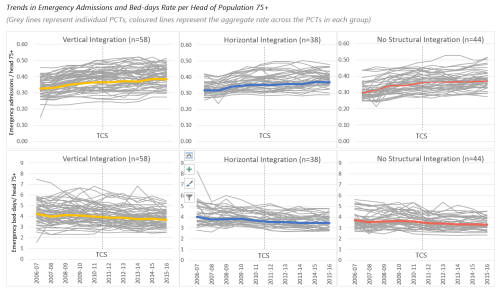
Horizontal or Vertical: Which way to integrate?
In 2011, Primary Care Trusts faced a difficult choice. The Transforming Community Services policy required a complete break of commissioner and provider functions. But what should PCTs do with the community health services they delivered; vertically integrate with an acute trust, horizontally integrate with a mental health trust, or set up a stand-alone community trust or Community Interest Company? Seven years on, this report explores the impact this choice had on the level and growth in emergency hospital use in older people and considers the wider implications for the NHS as it develops new models of care and integrated care systems

What works for primary care led integration?
We recently shared highlights from our realist synthesis on primary care-led integrated models, at the Health Policy and Planning Network workshop. Take a look at our presentation for a flavour of our findings ahead of publication later in the summer.
Evaluation of the Patient Activation Measure (PAM) pilot
As a concept, patient ‘activation’ holds promise; evidence suggests an enhanced ability to self-manage long-term conditions (LTCs) and an associate