Emergency Departments worked better during the strikes. But why?
New research published in the Journal of the Royal Society of Medicine explores why emergency departments worked better during strikes.

New Medicine Service and Personal Health Costs Evaluation
Evaluation of the community pharmacy-based New Medicine Service and Personal Health Costs intervention.
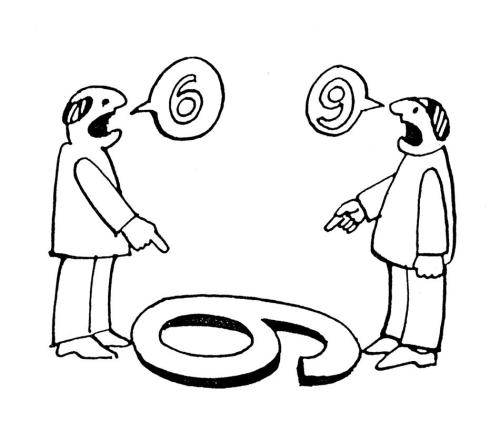
Neighbourhoods and hospital activity: oh yes it can, oh no it can’t?
Simple, intuitive ideas don’t draw critical attention. They stroll about the policy world, untested and unscathed.

Improving the experience of waiting: the evidence behind new NHS minimum standards
New NHS patient experience minimum standards aim to improve how people experience waiting for elective care

Exploring cultural adaptations in dementia care: our work with the NHS Race and Health Observatory
Understanding what it takes to deliver culturally responsive dementia care.

What Helps People Stay in NHS Talking Therapies? Insights from Services
How NHS Talking Therapies services are improving engagement through clearer expectations, flexible access and stronger support, and what further action could enhance recovery for more people.

Adopting the Core20PLUS5 approach: different strokes for different folks?
This blog describes the headline findings from the first phase of the national evaluation of the Core20PLUS5 approach

Neighbourhood health should not be judged (solely) by its ability to reduce hospital activity
In 1962, President John F. Kennedy arrived at NASA headquarters for a progress update on the planned trip to the moon.

Diagnosing the problems of non-diagnosis
Some descriptions of healthcare seem to be taken straight from the film Minority Report.

Continuity in primary care: the safest bet we aren’t able to make?
In this long-read, which first appeared in the HSJ, Fraser Battye asks whether focusing on continuity might also improve access to primary care

What explains the recent growth in hospital activity?
In this long read, Fraser Battye describes our analysis of what has driven the growth in hospital activity.

The enduring ‘messy programme’ with ‘mixed results’
The diagram below shows me at my most cynical.

Death (and taxes?)
Hospices are fundamental to end of life care, and the broader shift ‘from hospital to community’.

Beating the backlog: Meeting the waiting list challenge
The NHS waiting list in England must halve to reach waiting time targets.

10-Year Productivity Forecast for the English NHS: An Expert Elicitation Study
Expert elicitation exercise commissioned by and in collaboration with the Health Foundation has produced forecasts of NHS productivity rates over the next 10 years.

The Strategy Unit contribution to neighbourhood health
Our role in supporting the national effort to turn the vision of neighbourhood health into action by providing evidence, analysis and insight.

A fairer funding future for general practice: lessons from Leicester, Leicestershire and Rutland ICB
Our evaluation of the Health Equity Payment (HEP) scheme in Leicester, Leicestershire and Rutland highlights how flexible, needs-based GP funding can support more equitable care.

Heart Failure Targeted Funding Programme 2023/24 Evaluation
The Heart Failure Targeted Funding Programme was an NHS England initiative to improve access to heart failure specialists in the commu

Hydration, UTIs and older people: learning from NHS pilots about how to improve care
Our evaluation of hydration-focused interventions for older people found promising signs of impact and highlighted the practical and systemic challenges of delivering and sustaining change.
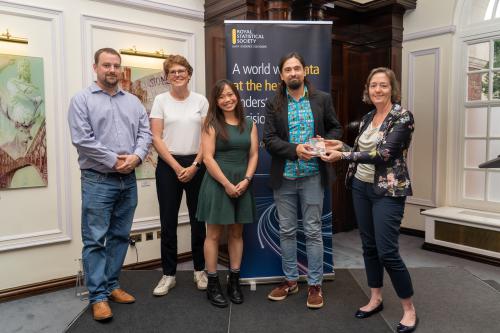
Strategy Unit demand model wins prestigious Florence Nightingale Award
Our open-source demand model, developed in collaboration with the New Hospital Programme, has been named the 2025 winner of the Florence Nightingale Award for Excellence in Health and Care Analytics.