
How data makes things worse
All light brings shade. My list of ‘changes that have been all upside and no downside’ is short and debatable.

MDSN: AI tools for evidence synthesis
With the advancing sophistication of AI and automation-based tools, we explore their use for evidence synthesis.

Rural Health Inequalities
The UK Government (2016) define rural areas as those which

Leadership training and support for organisational development: an offer from the Strategy Unit
The Strategy Unit has long been known for the quality of its analytical work, and the clear, critical thi

Review of Ophthalmic Managed Clinical Networks (MCNs) in Staffordshire and Shropshire
The aim of the MCNs is to bring together primary care optometrists with local ophthalmologists within a geographical area. This is a review Strategy Unit were commissioned by NHS England to work with a medical retina MCN in Shropshire, Telford and Wrekin and a glaucoma MCN in Staffordshire and Stoke on Trent, to review their work so far and look at the opportunities the networks present.

Exploring MSK Patient Pathways – Produced by Healthier Futures, Black Country
Exploring MSK Patient Pathways Patient Experiences: Facilitators and Barriers. And The Way Forward Full ReportJune 2023
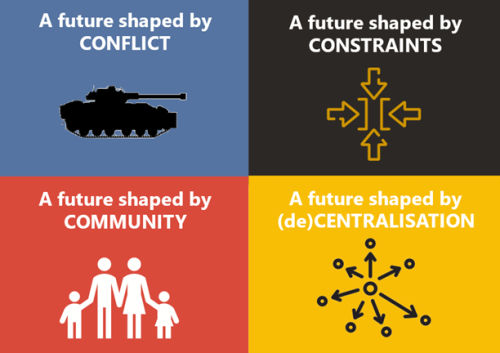
Exploring the Edge of Tomorrow, Today
Exploring the critical building blocks for a resilient social care system in 2035 with the West Midlands Association of Directors of Adult Social Services (WM-ADASS).
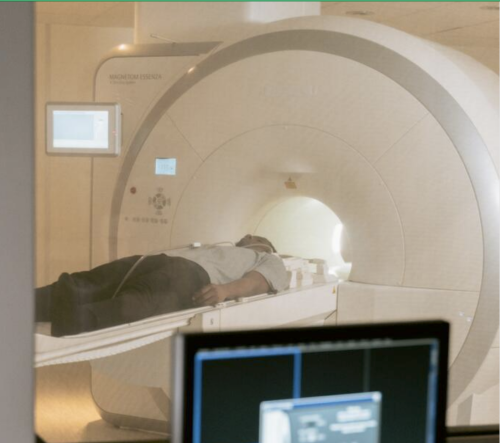
How is growth in diagnostic testing affecting the hospital system?
Diagnostic services, such as medical imaging, endoscopy, and pathology, have grown substantially in recent years and at a faster rate than most other healthcare services. Increased diagnostic testing brings benefits to patients, but rapid growth of this service area within a complex, adaptive system such as the NHS is likely to have had unintended consequences. Midlands ICBs wanted to understand the impact of diagnostic growth on hospital services.

Could a peer review methodology help drive continual learning within and across local systems?
In this blog Karen describes how peer review methodologies are being used to support learning in Long COVID services.
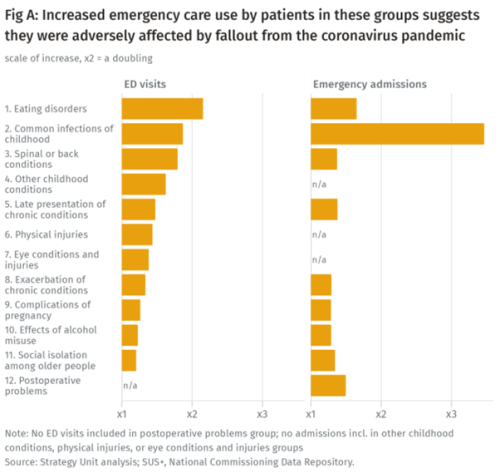
Population health implications of the Covid-19 pandemic
Our new report for The Midlands Decision Support Network (MDSN) presents findings of the effects of the care disruption, from the Covid-19 pandemic, on population health. The in-depth analysis identifies which patients and health conditions should be the focus of future efforts in reducing inequalities caused by the pandemic.
MDSN: Evaluating Social Prescribing Literature Review
Evaluating Social Prescribing – Literature review for the MDSN Evaluation Community of Practice collaborative project
MDSN: Decision-making by senior leaders to support recovery from COVID
This paper summarises experiences of Integrated Care System leaders in making strategic decisions to support recovery of services from

Insight 2022 - Day 1 - ICSs working together to be intelligence-led organisations: lessons from history
ICSs working together to be intelligence-led organisations: lessons from historyHow can Integrated Care Systems (ICS

Evaluating and embedding social values in procurement at East London NHS Foundation Trust
This report presents emerging findings from the early development stages of a social value approach to procurement by East London NHS Foundation Trust (ELFT). These findings provide insights for other organisations beginning to explore how to use procurement to contribute to improving health and reducing health inequalities.

What are the ethical challenges in addressing inequities?
Produced by Angie Hobbs - the world’s first Professor in the Public Understanding of Philosophy – this paper examines the ethical questions raised by our report outlining strategies for reducing inequity.

Blog: Strategies to reduce inequalities in planned care
MDSN responds to recent reports addressing the NHS waiting list crisis

‘Might’ is right
A good idea can be ruined by over-selling.


Strategies to reduce inequalities in access to planned hospital procedures
In our 2021 report, we described how people living in more deprived areas have poorer access to planned hospital care than their more affluent counterparts.