Emergency Departments worked better during the strikes. But why?
New research published in the Journal of the Royal Society of Medicine explores why emergency departments worked better during strikes.

The hidden challenge at the heart of the 10-year plan
A new tool exploring why hospital bed pressure is increasing and what this could mean for future NHS capacity planning.
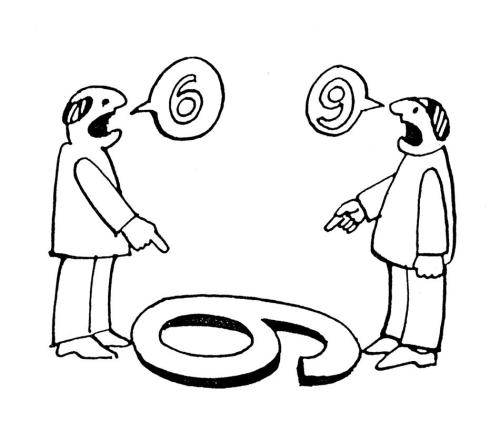
Neighbourhoods and hospital activity: oh yes it can, oh no it can’t?
Simple, intuitive ideas don’t draw critical attention. They stroll about the policy world, untested and unscathed.

Improving the experience of waiting: the evidence behind new NHS minimum standards
New NHS patient experience minimum standards aim to improve how people experience waiting for elective care
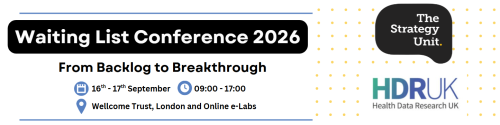
Waiting List Conference 2026: From Backlog to Breakthrough
Reducing elective care waiting lists remains one of the most pressing challenges facing the NHS.

Exploring cultural adaptations in dementia care: our work with the NHS Race and Health Observatory
Understanding what it takes to deliver culturally responsive dementia care.

The impact of failure demand on the ambulance service
Failure demand is described as the additional work created when services fail to meet people’s needs effectively the first time – and

Complex problems and Multi-Disciplinary Teams
Many moons ago, I was fortunate enough to observe a multi-disciplinary team (MDT) in Dudley.

Failure demand isn’t new. So why does it feel like a revelation?
Guest blog by Jacob Lant, Chief Executive, National Voices

Failure demand as a route to success?
When we began looking at failure demand in the NHS, I assumed most of our time would be spent in familiar territory: productivity metr

Adopting the Core20PLUS5 approach: different strokes for different folks?
This blog describes the headline findings from the first phase of the national evaluation of the Core20PLUS5 approach

Why NHS models should be built to be reused
Our Head of Simulation, Dr Lucy Morgan, recently appeared on the new podcast Inside the Algorithm, hosted by Cambridg

Neighbourhood health should not be judged (solely) by its ability to reduce hospital activity
In 1962, President John F. Kennedy arrived at NASA headquarters for a progress update on the planned trip to the moon.
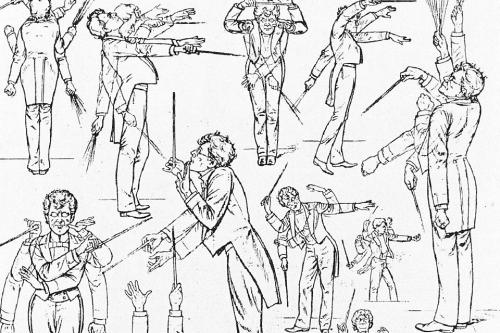
Commissioners as conductors?
Traditional NHS commissioning alone is not enough, and must be complemented by a “conductor” role that actively coordinates partners and drives system-wide change. Together, commissioners provide strategic direction while conductors enable delivery, which is essential for improving outcomes in complex health systems.

Diagnosing the problems of non-diagnosis
Some descriptions of healthcare seem to be taken straight from the film Minority Report.

Big GP practices: light work or spoilt broth?
Larger GP practices may deliver more appointments, but are they the most efficient way to provide good care?

What explains the recent growth in hospital activity?
In this long read, Fraser Battye describes our analysis of what has driven the growth in hospital activity.

A journey into intersectionality
A practical exploration of intersectionality, testing theory through quantitative analysis of hospital readmissions.

The enduring ‘messy programme’ with ‘mixed results’
The diagram below shows me at my most cynical.

Planning for rising renal demand: simulating capacity across the care system
Demand for kidney replacement therapy is rising, and current capacity will not be sufficient over the next decade. This work uses simulation modelling to help systems understand future pressures and test potential responses.