
The merry-go-round of evaluation recommendations
A blog series and short reports sharing how to design projects to best support evaluation.

‘NHS 10 Year Plan’: Strategy Unit consultation response
The Strategy Unit’s response to the Government’s current consultation on the ‘10 Year Health Plan’ for England.
Evaluating NHS England’s national approach to tackling healthcare inequalities
NHS England have commissioned the Strategy Unit to evaluate the national Core20PLUS5 approach for reducing healthcare inequalities.

What are the downsides of digital?
What are the downsides of digital?

Ara Darzi, Wes Streeting and English health policy. Part 2: cutting the knot
Following on from part one, Fraser continues exploring the Gordian Knot of English health policy.

Ara Darzi, Wes Streeting and English health policy. Part 1: the Gordian Knot
Health policy is not at a crossroads, it is in a bind. Strands so entangled, so complex they resemble a Gordian knot. Can this knot be untied?

The risks of risk stratification
Medical history is full of bizarre and gruesome procedures.

Midlands Analyst Network and Huddles
The Midlands Analyst Network was created to provide a space for analysts to share information, ideas and resources, as well as seek advice and guidance from one another.

Want to ease pressure in urgent care? Simply cut community services!?!
What should decision makers do with analysis that challenges deeply held assumptions? In this blog, Fraser Battye reflects on a surprising recent finding about community services.
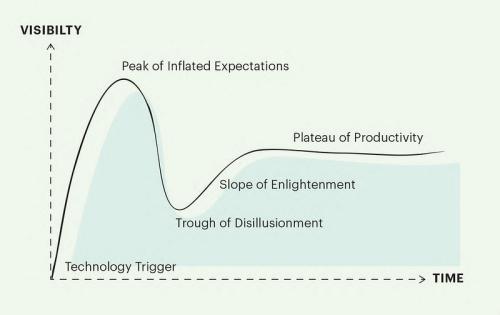
Outcome-based commissioning: can we rescue promise from the rubble of hype?
The first effect of policy is on expectations. In every case I can think of, the effect is inflationary.

Ghosted by an old friend
“…personal contact was a vital element in general practice from the beginning. By 1959 50% of people in England regarded their GP as a personal friend.”
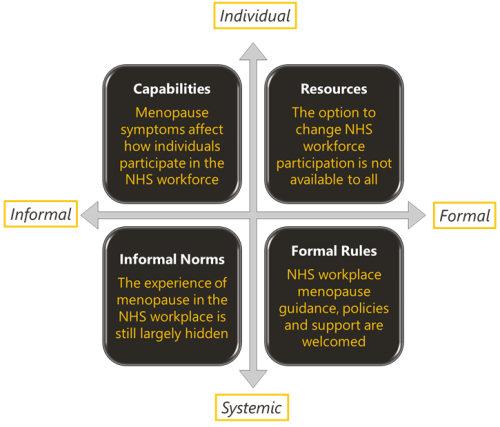
Menopause and the NHS workforce
The impact of the menopause on the NHS workforce. The Strategy Unit and Health Economics Unit report on their mixed methods findings.

Leadership training and support for organisational development: an offer from the Strategy Unit
The Strategy Unit has long been known for the quality of its analytical work, and the clear, critical thi

Review of Ophthalmic Managed Clinical Networks (MCNs) in Staffordshire and Shropshire
The aim of the MCNs is to bring together primary care optometrists with local ophthalmologists within a geographical area. This is a review Strategy Unit were commissioned by NHS England to work with a medical retina MCN in Shropshire, Telford and Wrekin and a glaucoma MCN in Staffordshire and Stoke on Trent, to review their work so far and look at the opportunities the networks present.

Learning about what works in urgent community response
The initial report from the national urgent community response (UCR) evaluation, along with an economic modelling tool to help service providers and systems understand the impact of UCR, is now available.
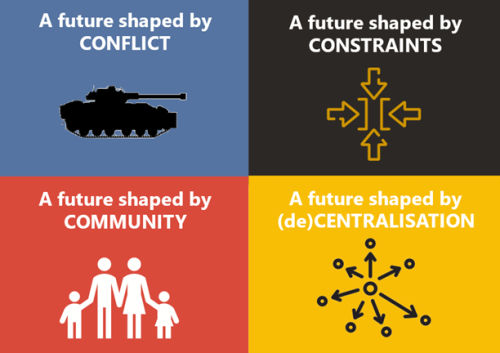
Exploring the Edge of Tomorrow, Today
Exploring the critical building blocks for a resilient social care system in 2035 with the West Midlands Association of Directors of Adult Social Services (WM-ADASS).

Inclusive Elective Care Recovery
These case studies present the key features and learning from local initiatives which championed inclusive approaches to elective care recovery.

Could a peer review methodology help drive continual learning within and across local systems?
In this blog Karen describes how peer review methodologies are being used to support learning in Long COVID services.

The NHS as an anchor institution: addressing fuel poverty
The number of households in fuel poverty in Staffordshire and Stoke-on-Trent (SSoT) is higher than the national average. As anchor institutions, NHS organisations can use their assets to influence the health and wellbeing of their local communities. The Strategy Unit was asked by the Midlands NHS Greening Board to evaluate a cross-sector initiative in SSoT to help alleviate fuel poverty using savings generated through solar panels on NHS buildings. The project is called Keep Warm, Keep Well.

Evaluating and embedding social values in procurement at East London NHS Foundation Trust
This report presents emerging findings from the early development stages of a social value approach to procurement by East London NHS Foundation Trust (ELFT). These findings provide insights for other organisations beginning to explore how to use procurement to contribute to improving health and reducing health inequalities.