 Mental health | Primary, community and social care services
Inequities in children and young people’s mental health services
Good mental health during early years and childhood has a great bearing on health throughout life. By contrast, poor mental health can cast a long shadow. Consequences may include depression, self-harm, and poor physical health. Services recognise this. They aim to provide access to support in a…
 Better use of analysis | Elective care | Emergency care | Inequalities | Primary, community and social care services | Public health and prevention
Less noise and more light: using criteria-driven analysis to tackle inequalities
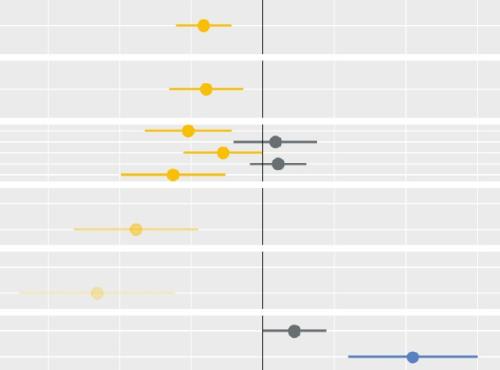
Reducing health inequality is a long-standing aim of health policy. Yet the gap between policy aim and population outcome has grown in recent years: on most measures health inequalities have got worse.
 Elective care | Inequalities | Policy | Primary, community and social care services
Socio-economic inequalities in access to planned hospital care: causes and consequences
Tacking inequalities in health is a long-standing NHS policy objective. Variation in the experiences and outcomes of different communities during the COVID-19 pandemic served to bring this issue back into focus.
 Elective care | Emergency care | Finance and payments | Policy | Primary, community and social care services
How will we know if Integrated Care Systems reduce demand for urgent care?
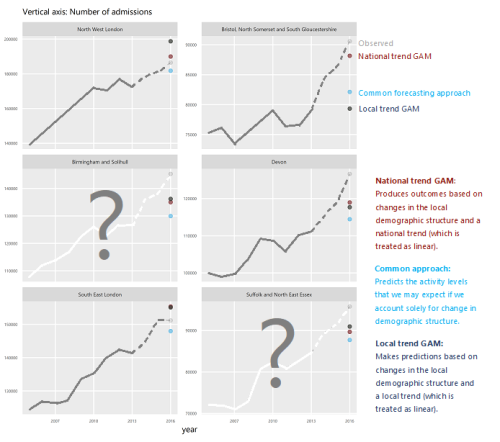
The implications of a blended payment system are far reaching: Decisions about planned activity levels will determine the total funding envelope for urgent care within a system and will influence the behaviour of healthcare providers and the services they deliver to patients.
 Elective care | Emergency care | Policy | Primary, community and social care services | Public health and prevention
Horizontal or Vertical: Which way to integrate?
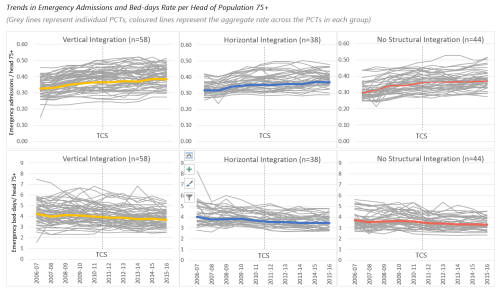
In 2011, Primary Care Trusts faced a difficult choice. The Transforming Community Services policy required a complete break of commissioner and provider functions. But what should PCTs do with the community health services they delivered; vertically integrate with an acute trust, horizontally…
Identifying Potential QIPP Opportunities - Dudley Example
Given the pressures within the NHS, being able to identify opportunities for efficiencies and improvements is vital to inform commissioning intentions. This report is an example of analytical work which to support commissioners. The objective of this report is to provide information to…