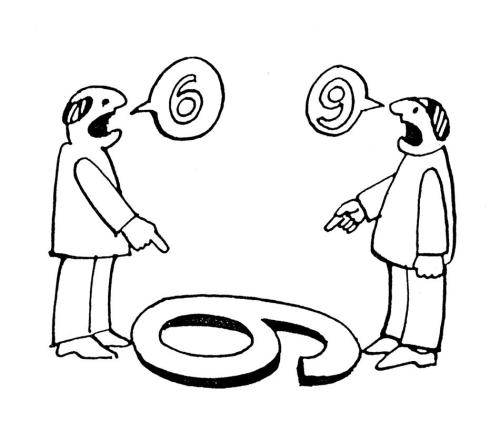
Neighbourhoods and hospital activity: oh yes it can, oh no it can’t?
Simple, intuitive ideas don’t draw critical attention. They stroll about the policy world, untested and unscathed.

Complex problems and Multi-Disciplinary Teams
Many moons ago, I was fortunate enough to observe a multi-disciplinary team (MDT) in Dudley.

Supporting the Mayor's partnership approach to reducing health inequalities in London
Being commissioned by the Mayor of London to produce independent reviews of proposals for major service change, affecting Londoners, perfectly aligns with our commitment to help the health and care system make better decisions and ultimately achieve benefits for population health and wellbeing.

Adopting the Core20PLUS5 approach: different strokes for different folks?
This blog describes the headline findings from the first phase of the national evaluation of the Core20PLUS5 approach

Neighbourhood health should not be judged (solely) by its ability to reduce hospital activity
In 1962, President John F. Kennedy arrived at NASA headquarters for a progress update on the planned trip to the moon.

Diagnosing the problems of non-diagnosis
Some descriptions of healthcare seem to be taken straight from the film Minority Report.
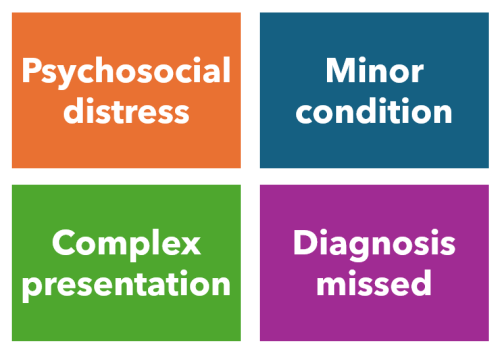
Discharged without a diagnosis
In 2023/24, one million people who were admitted to an NHS hospital in an emergency, were later discharged without a diagnosis. This long-read examines what this means for patients and providers.

Continuity in primary care: the safest bet we aren’t able to make?
In this long-read, which first appeared in the HSJ, Fraser Battye asks whether focusing on continuity might also improve access to primary care

What explains the recent growth in hospital activity?
In this long read, Fraser Battye describes our analysis of what has driven the growth in hospital activity.

A journey into intersectionality
A practical exploration of intersectionality, testing theory through quantitative analysis of hospital readmissions.

The enduring ‘messy programme’ with ‘mixed results’
The diagram below shows me at my most cynical.

Death (and taxes?)
Hospices are fundamental to end of life care, and the broader shift ‘from hospital to community’.

Strengthening ethnicity data across the NHS: developing the national improvement plan
Our analysis and stakeholder engagement supported NHS England to develop the national Ethnicity Recording Improvement Plan.

The Strategy Unit contribution to neighbourhood health
Our role in supporting the national effort to turn the vision of neighbourhood health into action by providing evidence, analysis and insight.

Making sense of failure demand in the NHS
I must be an unpleasant creature to share a room with. I snore. I smell. And I’m seemingly addicted to my way of doing things.

Hydration, UTIs and older people: learning from NHS pilots about how to improve care
Our evaluation of hydration-focused interventions for older people found promising signs of impact and highlighted the practical and systemic challenges of delivering and sustaining change.

Are there any non-technical ‘rules of thumb’ for assessing the quality of analysis?
The report below is from a short project that explored a simple set of questions:
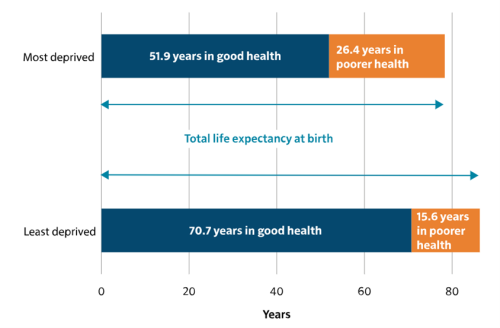
Things can only get better (?)
Introducing a new online tool to help local health and care service planners think differently about healthy ageing.

‘Internal Consultancy’: INSIGHTS from evidence and experience
In this blog, our Head of Policy, Fraser Battye, shares his reflections on a recent ‘SU INSIGHTS’ event on the ‘Internal Consultancy’

Are ‘Internal Consultancies’ a good option for the NHS?
Ahead of a SU INSIGHTS event on the topic, Fraser Battye, our Head of Policy suggests ways the NHS could make better use of consultancy support.