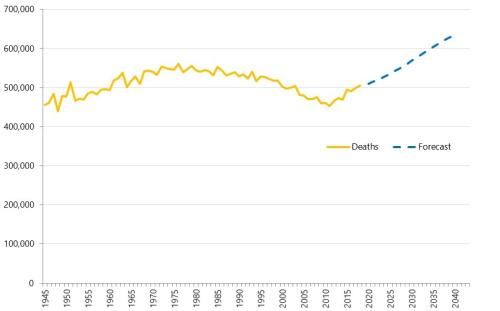
Health service use in the last two years of life
Health and care services get just one opportunity to support people at the end of their life. When this support is compassionate and appropriate, unnecessary suffering can be avoided and grieving can be eased. When this is not the case, harm and distress can result. The difference in these experiences can be profound.

Accessibility of perinatal mental health services for women from Ethnic Minority groups
Barriers to accessing mental health care during pregnancy and the first postnatal year (perinatal period) seem to be greater for ethnic minority women.
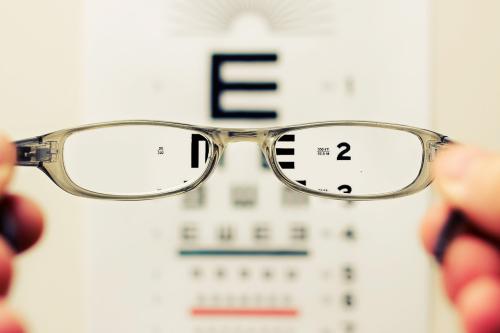
Key opportunities for eye health and well being
Eye health and sight loss services have historically had a lower profile in service provision compared to many other specialities. There is a view that the importance of eye health has been underrepresented in many Sustainability and Transformation Partnership (STP) plans.
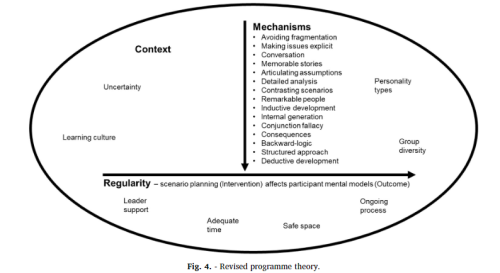
Opening the ‘black box’ of scenario planning through realist synthesis
Scenario planning is recognised as an effective aid to strategic planning in complex, uncertain conditions. It is an approach that the Strategy Unit is increasingly building into its work with health and care systems and third sector organisations.
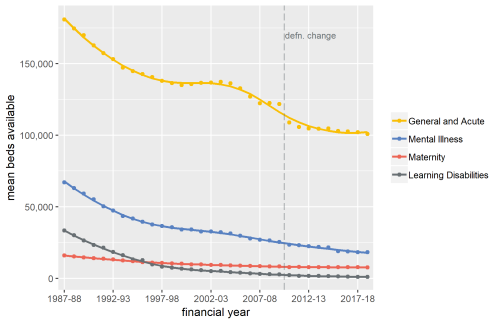
Exploring Mental Health Inpatient Capacity
This report explores the pressures on inpatient mental health services across Sustainability and Transformation Partnerships in England, drawing on a wide range of datasets, published research and interviews with staff working on mental health services. The report was commissioned by and includes a response from the Royal College of Psychiatrists.

They don’t believe you
Continuing our mental and physical health guest blog series, Sophie Corlett the Director of External Relations at Mind provides some perspectives from people with physical ailments who are users of mental health services.
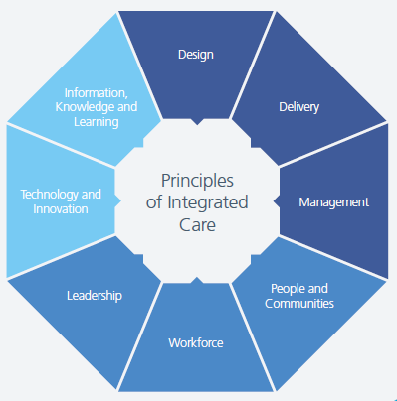
New care models - what's the evidence
High level findings from a series of evidence reviews on new care models.
Mind and body: inseparable twins
Jennifer Dixon, Chief Executive of the Health Foundation, reflects on the relationship between mental and physical health and the need for better integration of care.

The Status of Electronic Palliative Care Coordination Systems in the West Midlands
Commissioned by NHS England, this report describes the state of electronic palliative care coordination systems in the West Midlands.

Warp and weft – recognising that physical and mental health are interwoven - By Professor Sir Muir Gray
On World Mental Health Day, we’re delighted to present a guest blog by Professor Sir Muir Gray, the first in a new series of commi
Integrating health and care services - what works? It’s complicated…
Coinciding nicely with the NHS 70th Birthday celebrations and the parallel discussions of ‘where next and how to do it better’ for the NHS, last we
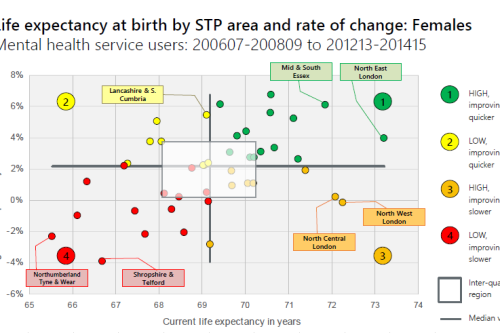
Making the case for integrating physical and mental health services in England - National overview
This is a national overview report of our Making the case for integrating physical and mental health services reporting which took place in July 20
Mental Health and integration: Cinderella or the Ugly Sisters?
Introduction

Do you like to integrate horizontally or vertically? NHS positions examined
Our latest research paper explores the impact of the different options for integration implemented as a result of the Transforming Community Services policy in 2010. This accompanying commentary reflects on potential implications for the current policy drive towards Integrated Care Systems.
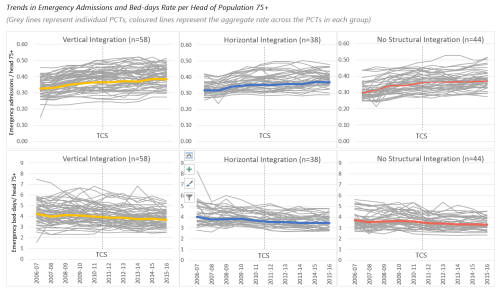
Horizontal or Vertical: Which way to integrate?
In 2011, Primary Care Trusts faced a difficult choice. The Transforming Community Services policy required a complete break of commissioner and provider functions. But what should PCTs do with the community health services they delivered; vertically integrate with an acute trust, horizontally integrate with a mental health trust, or set up a stand-alone community trust or Community Interest Company? Seven years on, this report explores the impact this choice had on the level and growth in emergency hospital use in older people and considers the wider implications for the NHS as it develops new models of care and integrated care systems
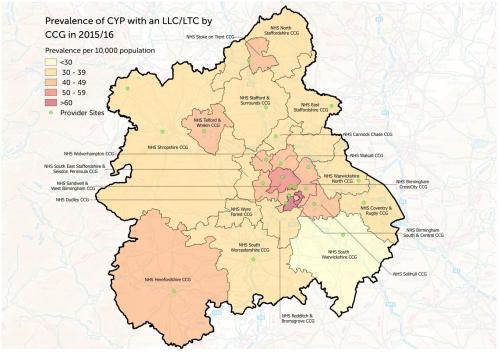
Palliative and End of Life Care Report for Children and Young People
Commissioned by NHS England, this report describes the the characteristics and levels of resource required by children and young people (CYP) (0-25

What works for primary care led integration?
We recently shared highlights from our realist synthesis on primary care-led integrated models, at the Health Policy and Planning Network workshop. Take a look at our presentation for a flavour of our findings ahead of publication later in the summer.

Want to have better access to general practice appointments?
Here’s how we can support practice staff to improve access.
Understanding future maternity demand and activity using collaborative modelling methods
The Strategy Unit approach to demand and activity modelling has been developed, refined and extensively tested over many years in a variety of heal
Identifying Potential QIPP Opportunities - Dudley Example
Given the pressures within the NHS, being able to identify opportunities for efficiencies and improvements is