
Emergency Departments worked better during the strikes. But why?
New research published in the Journal of the Royal Society of Medicine explores why emergency departments worked better during strikes.
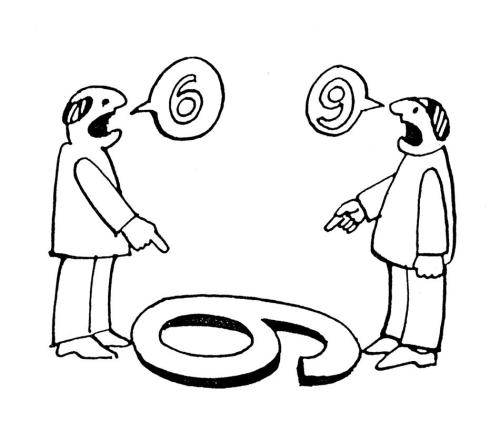
Neighbourhoods and hospital activity: oh yes it can, oh no it can’t?
Simple, intuitive ideas don’t draw critical attention. They stroll about the policy world, untested and unscathed.

Discharge before noon
Can data on discharge times help us to improve hospital flow?

Adopting the Core20PLUS5 approach: different strokes for different folks?
This blog describes the headline findings from the first phase of the national evaluation of the Core20PLUS5 approach

Neighbourhood health should not be judged (solely) by its ability to reduce hospital activity
In 1962, President John F. Kennedy arrived at NASA headquarters for a progress update on the planned trip to the moon.

Diagnosing the problems of non-diagnosis
Some descriptions of healthcare seem to be taken straight from the film Minority Report.
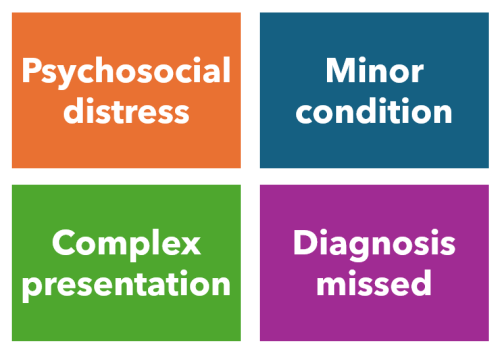
Discharged without a diagnosis
In 2023/24, one million people who were admitted to an NHS hospital in an emergency, were later discharged without a diagnosis. This long-read examines what this means for patients and providers.

What explains the recent growth in hospital activity?
In this long read, Fraser Battye describes our analysis of what has driven the growth in hospital activity.

The enduring ‘messy programme’ with ‘mixed results’
The diagram below shows me at my most cynical.

Planning for rising renal demand: simulating capacity across the care system
Demand for kidney replacement therapy is rising, and current capacity will not be sufficient over the next decade. This work uses simulation modelling to help systems understand future pressures and test potential responses.

Beating the backlog: Meeting the waiting list challenge
The NHS waiting list in England must halve to reach waiting time targets.
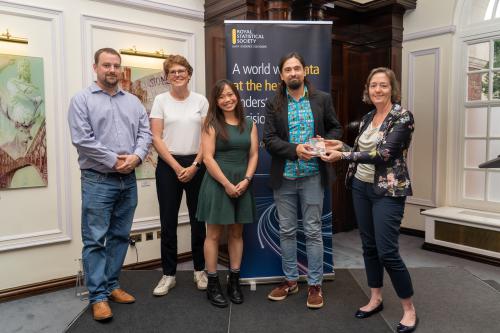
Strategy Unit demand model wins prestigious Florence Nightingale Award
Our open-source demand model, developed in collaboration with the New Hospital Programme, has been named the 2025 winner of the Florence Nightingale Award for Excellence in Health and Care Analytics.

Mending smarter, not harder: Changing fracture care for children
The report demonstrates there is significant variation between trusts in England in how paediatric fractures are managed. Widespread adoption of less interventional approaches to paediatric fracture management could result in significant savings in hospital activity, particularly reduced follow-up appointments for uncomplicated fractures.

Scoping a Health Needs Assessment for Adults on Probation in England
This scoping report explores the health inequalities experienced by people on probation and the limited data on their health needs and engagement with health services. It sets out recommendations for commissioning and delivering a national health needs assessment to address that data gap and support local health needs assessments for the probation population.

Transforming Hospital Planning with an Open-Source Demand and Capacity Model
We are proud to announce the open-sourcing of a demand and capacity model, developed with the New Hospitals Programme, to transform NHS hospital planning with transparency, collaboration, and efficiency.

Our role in the New Hospital Programme
Learn how the Strategy Unit’s innovative model is transforming hospital planning by providing a consistent, data-driven approach to forecast future demand and evidence-based decision making.

‘Internal Consultancy’: INSIGHTS from evidence and experience
In this blog, our Head of Policy, Fraser Battye, shares his reflections on a recent ‘SU INSIGHTS’ event on the ‘Internal Consultancy’

From ‘right drift’ to ‘left shift’?
Our Head of Policy, Fraser Battye, looks at the challenges facing the intention to shift care ‘from hospital to community’. He suggests that we have missed a critical part of the explanation for why this ‘left shift’ hasn’t taken place following previous initiatives.

Charisma
In this long read, which first appeared in the HSJ, Fraser Battye - our Head of Policy – looks at the role of charisma and innovation in the way that NHS resources are allocated.
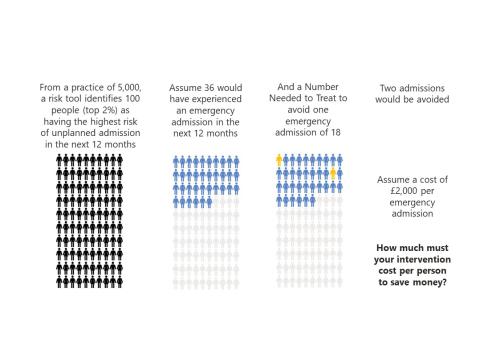
‘To risk stratify or not risk stratify, that is the question’ (At least, it should be)
Risk stratification tools are ubiquitous in healthcare. The concept is simple and seductive.