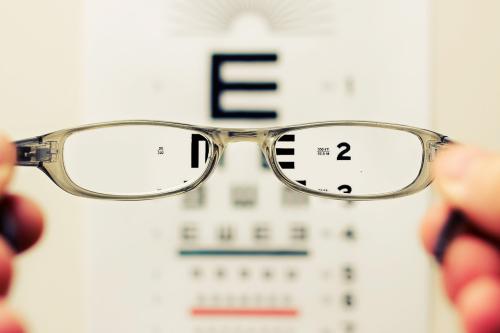
Key opportunities for eye health and well being
Eye health and sight loss services have historically had a lower profile in service provision compared to many other specialities. There is a view that the importance of eye health has been underrepresented in many Sustainability and Transformation Partnership (STP) plans.
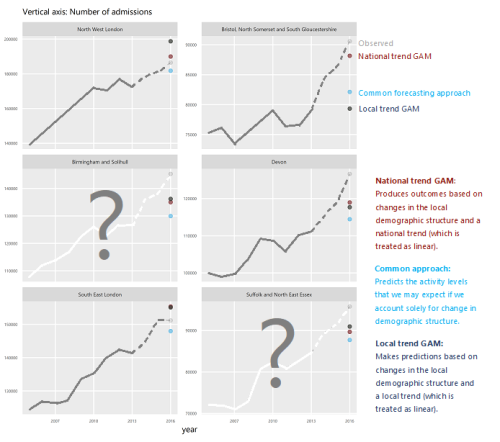
How will we know if Integrated Care Systems reduce demand for urgent care?
The implications of a blended payment system are far reaching: Decisions about planned activity levels will determine the total funding envelope for urgent care within a system and will influence the behaviour of healthcare providers and the services they deliver to patients.

Time to act for sex and gender parity in health and care
On International Womens Day 2019, Abeda Mulla from the Strategy Unit reflects on our gendered society that has led to poorer health outcomes in women.
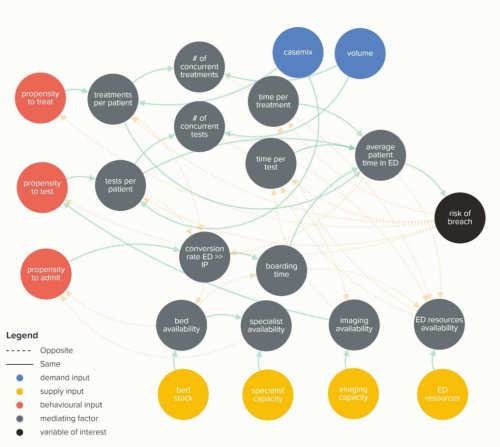
Waiting Times and Attendance Durations at English A&E Departments
In March 2019, NHS England is expected to report the outcome of its review of constitutional waiting times targets. This report reviews the factors that have led to the decline in performance against one of these targets - the 4-hour target for Accident and Emergency Departments. The analysis uncovers new insights and has the potential to reshape received wisdom about the performance of A&E departments, carrying important implications for healthcare policy and system leadership.

Emerging from the silos: how the NHS can support economic growth
The Strategy Unit has been leading the way on supporting local NHS bodies to consider the wider economic impact of how they operate. Here, David Frith highlights what a shift this is for the NHS, along with the range of opportunities NHS bodies should consider exploring.

They don’t believe you
Continuing our mental and physical health guest blog series, Sophie Corlett the Director of External Relations at Mind provides some perspectives from people with physical ailments who are users of mental health services.
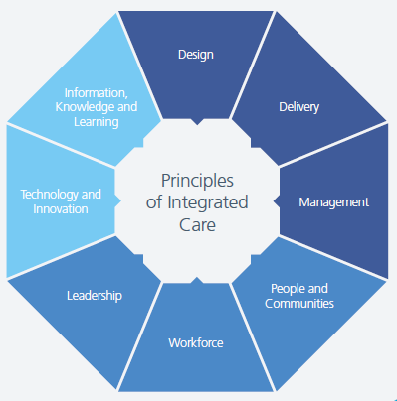
New care models - what's the evidence
High level findings from a series of evidence reviews on new care models.
Mind and body: inseparable twins
Jennifer Dixon, Chief Executive of the Health Foundation, reflects on the relationship between mental and physical health and the need for better integration of care.

Why community alternatives to hospital admission don’t (typically) reduce total admission levels
Repeatedly, published evaluations show that community/primary care services interventions with a stated intention to reduce total (or forecast total) emergency admissions to hospital don’t achieve the expected result**

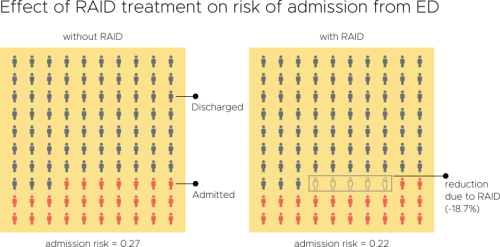
Evaluation of an Integrated Mental Health Liaison Service (Rapid Assessment Interface and Discharge Service) in Northern Ireland
A high proportion of patients treated for physical health conditions also have co-morbid mental health problems; and there is growing acceptance of

Warp and weft – recognising that physical and mental health are interwoven - By Professor Sir Muir Gray
On World Mental Health Day, we’re delighted to present a guest blog by Professor Sir Muir Gray, the first in a new series of commi
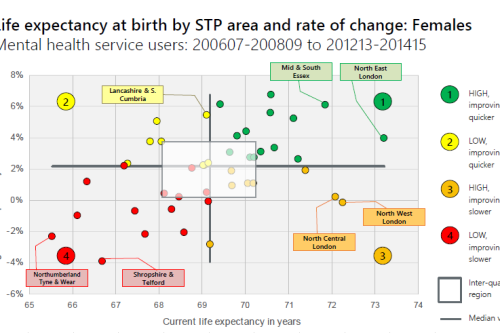
Making the case for integrating physical and mental health services in England - National overview
This is a national overview report of our Making the case for integrating physical and mental health services reporting which took place in July 20
Mental Health and integration: Cinderella or the Ugly Sisters?
Introduction
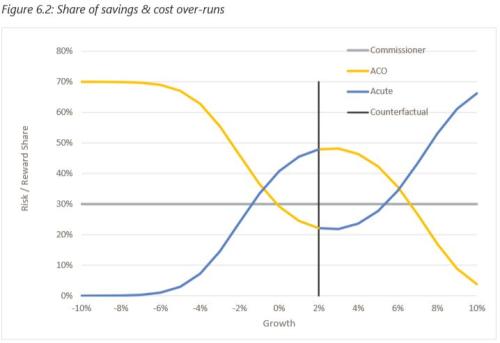
Risk and Reward Sharing for NHS Integrated Care Systems
Risk and reward sharing is a simple and attractive concept, offering a commissioner the opportunity to co-opt and incentivise a provid

Do you like to integrate horizontally or vertically? NHS positions examined
Our latest research paper explores the impact of the different options for integration implemented as a result of the Transforming Community Services policy in 2010. This accompanying commentary reflects on potential implications for the current policy drive towards Integrated Care Systems.
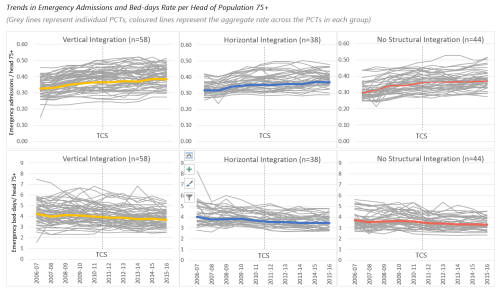
Horizontal or Vertical: Which way to integrate?
In 2011, Primary Care Trusts faced a difficult choice. The Transforming Community Services policy required a complete break of commissioner and provider functions. But what should PCTs do with the community health services they delivered; vertically integrate with an acute trust, horizontally integrate with a mental health trust, or set up a stand-alone community trust or Community Interest Company? Seven years on, this report explores the impact this choice had on the level and growth in emergency hospital use in older people and considers the wider implications for the NHS as it develops new models of care and integrated care systems
HSJ Article - Why are A&Es feeling the strain?
Article published by HSJ on 3rd November 2017.
Changes in Dementia Incidence, Prevalence, Severity and Mortality
Dementia is a key priority for NHS England and is estimated to affect around 676,000 people in the country.
Changes to Admission Thresholds
This analysis builds on a paper, Changes in Admission Thresholds in Engli