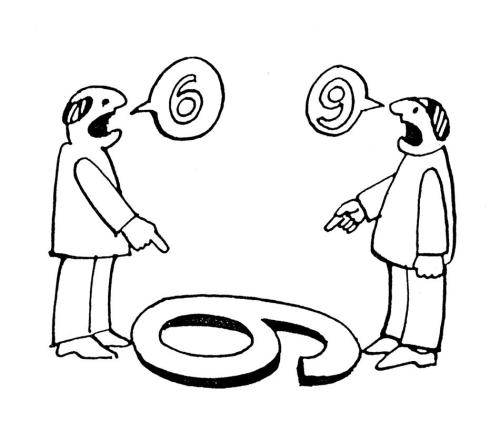
Neighbourhoods and hospital activity: oh yes it can, oh no it can’t?
Simple, intuitive ideas don’t draw critical attention. They stroll about the policy world, untested and unscathed.

What explains the recent growth in hospital activity?
In this long read, Fraser Battye describes our analysis of what has driven the growth in hospital activity.

Virtual wards: Patient and unpaid carer experiences of ‘hospital at home’ care
Our evaluation of patient and carer experiences of virtual wards found widespread benefits and highlights areas for improvements parti

Mending smarter, not harder: Changing fracture care for children
The report demonstrates there is significant variation between trusts in England in how paediatric fractures are managed. Widespread adoption of less interventional approaches to paediatric fracture management could result in significant savings in hospital activity, particularly reduced follow-up appointments for uncomplicated fractures.

Ara Darzi, Wes Streeting and English health policy. Part 2: cutting the knot
Following on from part one, Fraser continues exploring the Gordian Knot of English health policy.

Ara Darzi, Wes Streeting and English health policy. Part 1: the Gordian Knot
Health policy is not at a crossroads, it is in a bind. Strands so entangled, so complex they resemble a Gordian knot. Can this knot be untied?

Learning about what works in urgent community response
The initial report from the national urgent community response (UCR) evaluation, along with an economic modelling tool to help service providers and systems understand the impact of UCR, is now available.

Infant-feeding problems during the pandemic
Emergency department attendances fell dramatically and systematically during the early phases of the COVID-19 pandemic. This effect was almost universal, affecting people from all parts of society and for all health conditions. But in our recent paper we highlight one notable exception to this rule -presentations at Emergency Departments for infant-feeding problems increased during the pandemic.
Urgent Community Response – What Works?
The Strategy Unit, with our partners Ipsos, has been commissioned by NHS England and NHS Improvement (NHSEI) to provide a long-term national evaluation of the Urgent Community Response programme rolled-out across England. The programme aims to shift resources to home and community-based services as part of the NHS commitment to providing the right care, to the right people, at the right time. And there are a range of outputs from the early work that provide learning for local systems as they develop their services.
Infant feeding problems, lockdown and attendance at Emergency Departments: what’s going on?
From our previous work, with Nuffield Trust and Health Foundation, we know that lockdown had a significant effect on attendance at Emergency Departments (ED). We also know that this effect was very unevenly distributed: some demographic groups stayed away far more than others.

Accessibility of perinatal mental health services for women from Ethnic Minority groups
Barriers to accessing mental health care during pregnancy and the first postnatal year (perinatal period) seem to be greater for ethnic minority women.
Understanding future maternity demand and activity using collaborative modelling methods
The Strategy Unit approach to demand and activity modelling has been developed, refined and extensively tested over many years in a variety of heal