
The NHS as an anchor institution: addressing fuel poverty
The number of households in fuel poverty in Staffordshire and Stoke-on-Trent (SSoT) is higher than the national average. As anchor institutions, NHS organisations can use their assets to influence the health and wellbeing of their local communities. The Strategy Unit was asked by the Midlands NHS Greening Board to evaluate a cross-sector initiative in SSoT to help alleviate fuel poverty using savings generated through solar panels on NHS buildings. The project is called Keep Warm, Keep Well.
Emergency department acuity measurement and process: quick scoping review
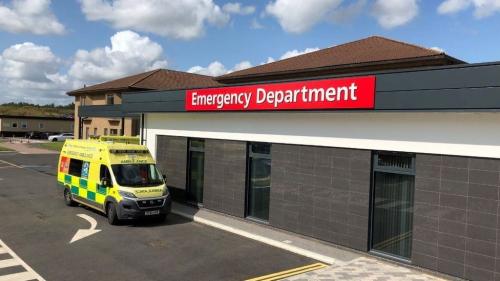
This review was commissioned to inform NHS England’s Acuity Standardisation Project which aims to agree a standardised method of allocating acuity category (a triage method) for Emergency Departments (EDs) and Urgent Treatment Centres (UTCs).
Population health implications of the Covid-19 pandemic
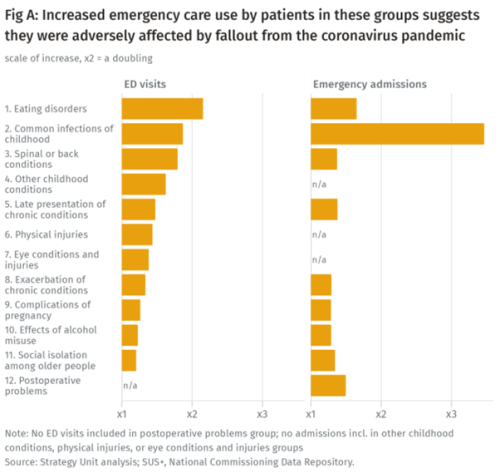
Our new report for The Midlands Decision Support Network (MDSN) presents findings of the effects of the care disruption, from the Covid-19 pandemic, on population health. The in-depth analysis identifies which patients and health conditions should be the focus of future efforts in reducing inequalities caused by the pandemic.

Analysts, we need to talk about…….
The future looks incredibly promising for ana

Socio-economic inequalities in coronary heart disease
There are substantial differences in mortality rates from cardiovascular disease between socio-economic groups. Our new tool provides an overview, for ICBs, of the points on the care pathway where inequalities emerge and are amplified
Insight 2022 - Day 4 - The future of healthcare analytics
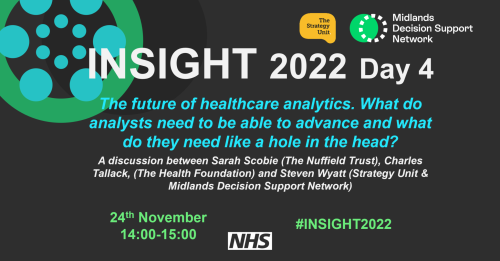
The future of healthcare analytics.
Insight 2022 - Day 4 - Smarter decision-making for your population
Smarter decision-making for your populationNHS England has identified Population Health Management (PHM) as a core strategic aim f
Insight 2022 - Day 3 - Decision-making in the 21st century NHS – how does it really work?
Decision-making in the 21st century NHS – how does it really work?The NHS Long Term Plan placed an emphasis on better use of data
Insight 2022 - Day 2 - How the science of systems thinking can support the craft of wise decision making – A GP practice case study
How the science of systems thinking can support the craft of wise decision making – A GP practice case studyIf yo
Insight 2022 - Day 2 - Understanding the links between delayed discharges and hospital congestion
Understanding the links between delayed discharges and hospital congestionIn January 2022 NHS figures showed that

Insight 2022 - Day 1 - ICSs working together to be intelligence-led organisations: lessons from history
ICSs working together to be intelligence-led organisations: lessons from historyHow can Integrated Care Systems (ICS

Evaluating and embedding social values in procurement at East London NHS Foundation Trust
This report presents emerging findings from the early development stages of a social value approach to procurement by East London NHS Foundation Trust (ELFT). These findings provide insights for other organisations beginning to explore how to use procurement to contribute to improving health and reducing health inequalities.

What are the ethical challenges in addressing inequities?
Produced by Angie Hobbs - the world’s first Professor in the Public Understanding of Philosophy – this paper examines the ethical questions raised by our report outlining strategies for reducing inequity.

What matters when waiting? – involving the public in NHS waiting list prioritisation
As the NHS emerged out of the pandemic, it was confronted with the challenge of not only recovery of unprecedented waiting lists, but with inequalities which required attention. NHS leaders challenged providers to restore inclusively and at University Hospitals Coventry and Warwickshire NHS Trust, we have developed a way of doing just that, whilst simultaneously reducing waiting times for all.

Infant-feeding problems during the pandemic
Emergency department attendances fell dramatically and systematically during the early phases of the COVID-19 pandemic. This effect was almost universal, affecting people from all parts of society and for all health conditions. But in our recent paper we highlight one notable exception to this rule -presentations at Emergency Departments for infant-feeding problems increased during the pandemic.

What was the question again?
We hear a lot about what’s stopping the NHS making the most of its army of talented analysts. Some say we just need more data, or data of better quality. Others point to deficiencies in our infrastructure, IT kit or the software we use. But I’m not so sure. For me the biggest shortfall is in good questions that we can feasibly address.

Inequalities in access to healthcare - what’s our next move?
Our research, published in the Lancet Regional Health Europe, highlights substantial inequities in access to elective hip replacement surgery. We found no evidence that these inequities reduced between 2006 and 2016.

Blog: Strategies to reduce inequalities in planned care
MDSN responds to recent reports addressing the NHS waiting list crisis

‘Might’ is right
A good idea can be ruined by over-selling.