
Adopting the Core20PLUS5 approach: different strokes for different folks?
This blog describes the headline findings from the first phase of the national evaluation of the Core20PLUS5 approach

What explains the recent growth in hospital activity?
In this long read, Fraser Battye describes our analysis of what has driven the growth in hospital activity.

Strengthening ethnicity data across the NHS: developing the national improvement plan
Our analysis and stakeholder engagement supported NHS England to develop the national Ethnicity Recording Improvement Plan.

Mending smarter, not harder: Changing fracture care for children
The report demonstrates there is significant variation between trusts in England in how paediatric fractures are managed. Widespread adoption of less interventional approaches to paediatric fracture management could result in significant savings in hospital activity, particularly reduced follow-up appointments for uncomplicated fractures.

Scoping a Health Needs Assessment for Adults on Probation in England
This scoping report explores the health inequalities experienced by people on probation and the limited data on their health needs and engagement with health services. It sets out recommendations for commissioning and delivering a national health needs assessment to address that data gap and support local health needs assessments for the probation population.

Ara Darzi, Wes Streeting and English health policy. Part 2: cutting the knot
Following on from part one, Fraser continues exploring the Gordian Knot of English health policy.

Ara Darzi, Wes Streeting and English health policy. Part 1: the Gordian Knot
Health policy is not at a crossroads, it is in a bind. Strands so entangled, so complex they resemble a Gordian knot. Can this knot be untied?
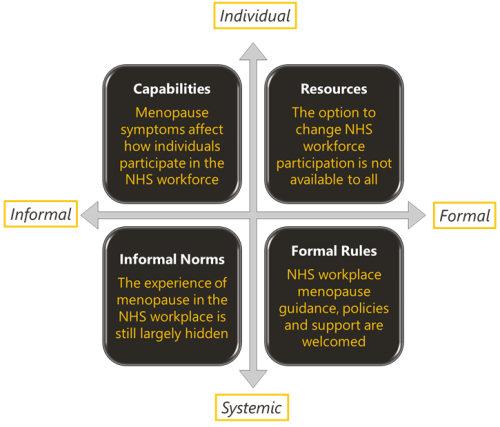
Menopause and the NHS workforce
The impact of the menopause on the NHS workforce. The Strategy Unit and Health Economics Unit report on their mixed methods findings.

Inclusive Elective Care Recovery
These case studies present the key features and learning from local initiatives which championed inclusive approaches to elective care recovery.

The NHS as an anchor institution: addressing fuel poverty
The number of households in fuel poverty in Staffordshire and Stoke-on-Trent (SSoT) is higher than the national average. As anchor institutions, NHS organisations can use their assets to influence the health and wellbeing of their local communities. The Strategy Unit was asked by the Midlands NHS Greening Board to evaluate a cross-sector initiative in SSoT to help alleviate fuel poverty using savings generated through solar panels on NHS buildings. The project is called Keep Warm, Keep Well.
MDSN: Evaluating Social Prescribing Literature Review
Evaluating Social Prescribing – Literature review for the MDSN Evaluation Community of Practice collaborative project

Infant-feeding problems during the pandemic
Emergency department attendances fell dramatically and systematically during the early phases of the COVID-19 pandemic. This effect was almost universal, affecting people from all parts of society and for all health conditions. But in our recent paper we highlight one notable exception to this rule -presentations at Emergency Departments for infant-feeding problems increased during the pandemic.

Autism evidence scan identifies knowledge gaps
Diagnosing autism takes account of a person’s differences in social interaction and communication, sensory sensitivity, interests and behaviours. Yet autism varies hugely from person to person, both in how it looks and how it is experienced.
Evaluation of Building the Right Support: Final Reports
Building the Right Support was a national plan to provide better support to people with a learning disability or autism.
Infant feeding problems, lockdown and attendance at Emergency Departments: what’s going on?
From our previous work, with Nuffield Trust and Health Foundation, we know that lockdown had a significant effect on attendance at Emergency Departments (ED). We also know that this effect was very unevenly distributed: some demographic groups stayed away far more than others.

Accessibility of perinatal mental health services for women from Ethnic Minority groups
Barriers to accessing mental health care during pregnancy and the first postnatal year (perinatal period) seem to be greater for ethnic minority women.
Understanding future maternity demand and activity using collaborative modelling methods
The Strategy Unit approach to demand and activity modelling has been developed, refined and extensively tested over many years in a variety of heal